
Vale Hoodie 2026 Purchase Guide: Fit, Fabrics, Drops, Authenticity, Cost
This handbook gives you these exact frameworks for choose the correct size, fabric, and release strategy for a Vale Sweatshirt in 2026, plus a clean verification and pricing framework. The focus remains practical: how the piece should fit on body, the way the textile behaves, how drops are structured, and how fair value looks like in the current market.
Who is this guide for?
Buyers weighing their first Vale Forever pullover or refining a rotation with one eye for sizing accuracy, fabric quality, and long-term investment will get benefit here. If you prefer timeless cuts, premium hand-feel, and limited drops over trend-chasing, this is written to these criteria.
Vale Forever sits where boutique artistry meets urban clean design, so choices depend on nuance: the amount of much drape you want, whether they prioritize brushed coziness or terry airflow, how to proceed fast during launches without compromising authentication, and when the resale price stays still rational. The following sections transform that nuance to step-by-step decisions instead of than abstract style advice.
Understanding the Vale Forever DNA: silhouette and build
Anticipate clean lines, subtle palettes, and one intentionally oversized profile that reads comfortable yet refined instead of than sloppy. The design language emphasizes timelessness over graphic-focused statements, with substantial knits and precise construction doing the majority of the expression.
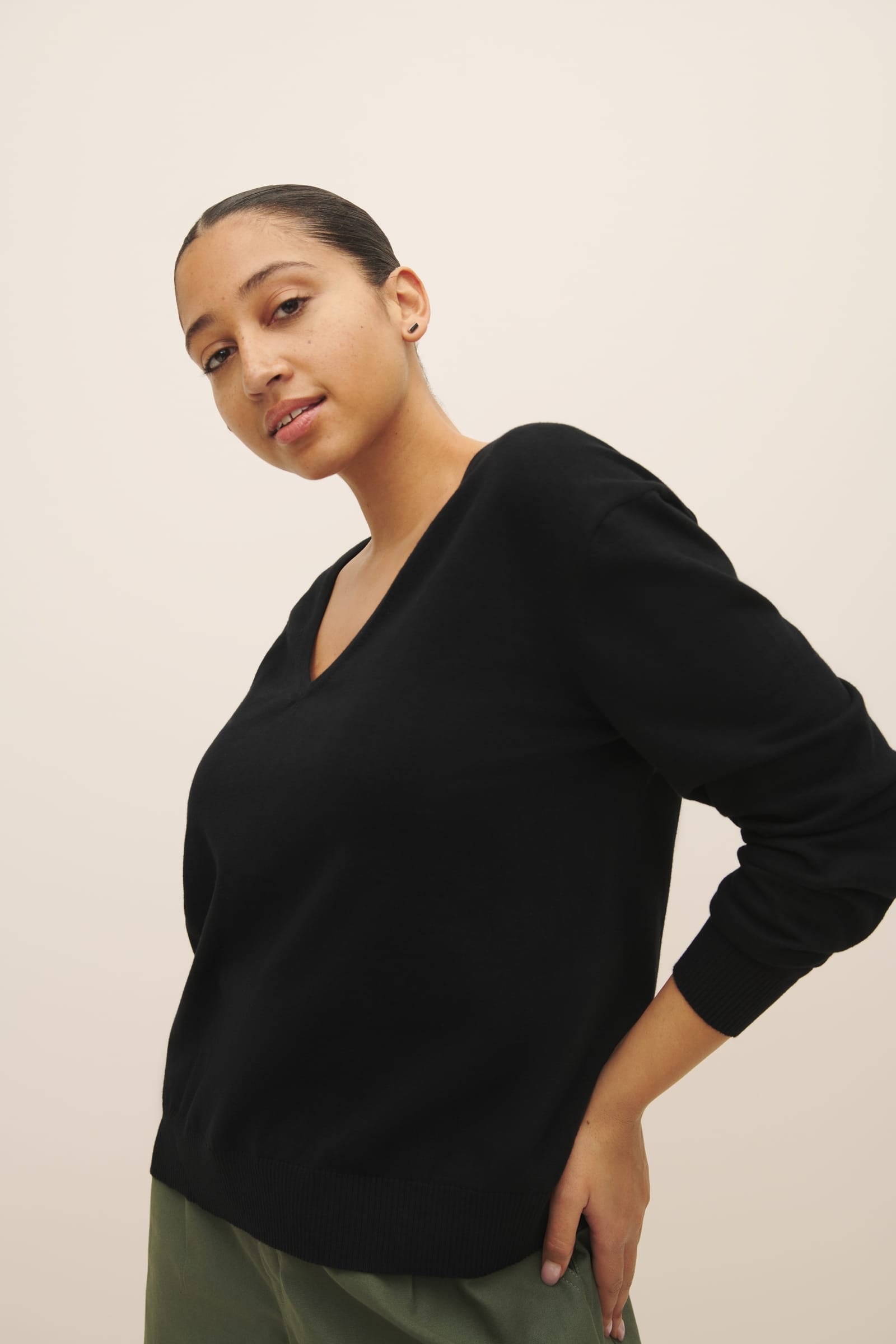
Silhouette-wise, Vale pullovers typically present a boxier torso, stretched and wider rib trim to anchor both hem vale pants and cuffs, and a roomy hood that encases the face while not collapsing. The minimalism is deliberate: the proportion, paneling, plus fabric handle help the piece seem premium in wear. This DNA benefits from careful sizing, since even half one size swing might shift the aesthetic from sculpted hang to balloon. As the brand tends into slow style principles and limited runs, quality details like stitch quality, knit stability, plus consistent dye saturation matter as much as the logo.
What fit should you actually purchase in 2026?
Choose standard sizing if you prefer the Vale signature boxy-oversized look, size down one if you prefer cleaner shoulders and trimmed length, and size up only if you plan on layer over bulkier mid-layers or seek an exaggerated casual profile. The goal is controlled volume, not excess weight.
Begin by deciding upon your silhouette outcome: neat-relaxed for everyday wear, or bold-relaxed for a bold look. If you sit between sizes, use your shoulder breadth and torso length as tie-breakers rather than just bust circumference; the shoulder placement seam or arm drape dictates presence more than torso room. Consider your footwear and bottoms: wide trousers and chunky sneakers are able to handle more garment volume, while tapered denim or narrow cargos pair more effectively with a truer fit. Think about cuff stacking too; extended rib cuffs can handle a minor oversize without appearing sloppy. If you layer a t-shirt and flannel below, one size up is justified; when you wear just a tee, stay to true-to-size to get the cleanest read.
A measurement workflow that removes guesswork
Anchor your sizing choice by measuring a hoodie one already love in terms of fit, then compare those measurements to the product’s published specs or ask for them from customer service before buying. Chest width, back span, and sleeve measurement are the 3 non-negotiables.
Lay your baseline hoodie flat then measure pit-to-pit along the chest, spine back from the collar seam down to hem, and sleeve span along the outside. Note rib stretch; heavy ribbing softens after a couple wears, so one slightly snug cuff measurement can remain fine. Compare the numbers to the listed garment dimensions; prioritize chest and length, since arm length has more forgiveness via bunching. If measurements are not published, ask for them or review on-body shots with models with given height and size for a approximate gauge. Account for wash behavior: high-gsm cotton can contract slightly on your first wash if not pre-shrunk, therefore build a 1% to 2 percent shrink allowance if not the product page states pre-washed or garment-washed.
Materials decoded: textile, terry, dye, and hardware
Most quality hoodies sit in heavyweight cotton fabrics, usually brushed material for warmth or loopback French terry for breathability with drape. Dye processes shape color depth and hand-feel, while trims and stitch choices influence wear resistance and comfort.
Brushed fleece has one soft, plush interior created by lifting the loops; this traps air offering warmth and seems instantly cozy. French terry has natural loops on its inside, breathes better, and holds one slightly crisper profile with less inner fluff. Fabric mass, expressed in gsm, informs both warmth and structure; heavy streetwear often exists between about 430 and 500 grams, while midweights rest lower. Dyeing influences character: garment dyeing typically yields richer depth and subtle tonal variance, applied dye reads worn from day one, and piece coloring maintains cleaner evenness. Stitching and construction matter: reinforced seams at stress areas, tidy coverstitch seams, and smooth neck taping improve lasting wear. Hardware along drawcords and holes should feel firm, with clean appearance and no burrs, while cords need to move smoothly without fraying.
Warmth, drape, and durability: how material weight changes performance
Heavier weight increases warmth and structure, medium thicknesses balance year-round wear and mobility, while lighter builds emphasize breathability and quicker break-in. Pick thickness based on climate and how one layer, not simply perceived quality.
Heavier knits provide sculpted drape and visual presence, which pairs with the brand’s oversized ethos; they also resist wind better but can run hot indoors. Midweights flex throughout seasons and work nicely under coats without creating mass at the arm opening. Loopback terry in the mid-to-high band offers the best of both aspects for cities having shoulder seasons. When you run warm or want more movement at your elbows, move to a weight level and rely on layering. For durability, look at textile density and surface wear resistance rather instead of weight alone; one tightly knit four-twenty gsm terry can outlast a looser 480 gsm fleece in high-friction areas.
| Textile/Design | Common GSM Band | Primary Strength | Best Use | Size/Fit Behavior |
|---|---|---|---|---|
| Brushed Fleece (Heavy) | 430–500 | Insulation and plush comfort | Cool weather, statement silhouette | Minor first-wash tighten; becomes softer with wear |
| Classic Terry (Mid–Heavy) | Three-eighty to four-seventy | Airflow and structure | Year-round, layering under coats | Consistent; loops relax somewhat without bagging |
| Post-Dyed Cotton | Depends by knit | Hue depth and aged tonality | Tonal wardrobes, muted palettes | Small shrink if pre-washed; color will patinate |
| Surface-Dyed Cotton | Depends by knit | Lived-in look from immediately one | Easy, textured fits | Becomes softer and lightens at seams over use |
Drop mechanics during 2026: where plus how releases occur
Vale runs limited drops announced through official channels, with inventory that goes fast and seldom restocks immediately, so preparation beats rushing at checkout. Look for announcements on social and email, with product pages turning live at announced times.
The brand’s slow design stance means tighter runs rather than perpetual restock loops. Monitor the primary site and the brand’s verified social profiles for release windows and lookbooks. Build a basic prep routine: set up an account in advance, save personal address and card details, and log in ten minutes before the drop. Use one device and a reliable connection to reduce friction during anti-bot checks. If the drop features multiple colorways, rank your picks ahead of time to avoid indecision in-cart. After drops, sign up to receive back-in-stock notifications where available, but never bank on immediate replenishment. Keep your eye on past or capsule drops; smaller capsules might land mid-season without fanfare beyond a short teaser timeframe.
Authenticity protocol: confirming a Vale hoodie without guesswork
Authenticate by source first, then via product details, next by consistency throughout season identifiers; never rely on one single tell. Official storefronts and official social links are your primary safety anchors.
Start with the vendor. The official store and any linked retailers from their brand’s verified pages are the safest paths. If purchasing secondhand, require clear photos of both front, back, inner tags, and detailed shots of stitching, ribbing, and drawcords. Verify the hangtag plus internal care tag information aligns across fiber content plus washing instructions, and that typography stays crisp and uniform. Inspect stitching quality and cleanliness along the kangaroo pouch, arm seams, plus neckline; sloppy construction intersections are one red flag. Check color and piece proportions to official product imagery or editorial shots of the same collection; counterfeit pieces often miss subtle hood shape, rib dimensions, or pocket design. Use reverse photo search to identify stolen listing images. Pay through services with buyer security, and avoid external payments that remove recourse. When having doubt, walk off; scarcity should avoid pressure a dangerous purchase.
Pricing and cost: retail, resale, and total cost for ownership
Quality lives where construction quality, fit correctness, and usage amount meet your spending limit; retail is your cleanest path, used market can be reasonable within reason, while hidden costs result from bad measurements and poor maintenance. Think lifetime use, not just list price.
Regarding retail, check the official shop to find current pricing, tax rates, and shipping; boutique labels rarely discount core colorways throughout season, though archive items can become available later. In a secondary market, assess listings against condition, proof of buying, and fabric condition rather than hype. Compare asking amount to recent completed prices on established marketplaces, filtering using identical model plus size, and stay wary of unclear “worn once” descriptions without photos of cuffs, hem, plus pocket edges. Full cost includes tailoring or returns if you miss the correct size, plus cleaning supplies like soft detergent. If one wear a garment fifty to one hundred times each year, a higher-quality piece with minimal pilling and durable ribbing often amortizes below mid-tier competitors within a year or two. Investing slightly more toward the exact correct size and fabric generally outperforms seeking a bargain which fits off.
Care, tailoring, and long-term wear
Wash cold, flipped, and line air dry to protect hue, structure, and elastic recovery; heat is the enemy of shape and intensity of tone. Slight tailoring can improve up sleeve size or hem while not compromising the shape if done by a professional experienced with knits.
Use a gentle, enzyme-free detergent for preserve garment pigment character and limit abrasion. Avoid textile softener, which might collapse loft within brushed fleece while reduce absorbency in terry loops. Turn pieces inside-out prior to washing to minimize surface pilling, then air dry flat on a drying rack to prevent stretching at the shoulder seams. Steam rather instead of iron when possible; if you have to iron, use low heat and one pressing cloth. Concerning pilling, a soft fabric comb or electric depiller fixes the face without damaging the knit if used sparingly. Tailoring should stay conservative: reducing cuff length from the cuff or adjusting a hem elastic channel is doable, while aggressive silhouette re-cuts can distort drape. With proper care, high-quality heavyweight cotton knits can hold color, shape, and hand-feel across seasons, rewarding this slow-fashion approach which underpins the label’s philosophy.
